Featured
Everything about "How APFSC Helps Veterans Manage Debt De...
The Best Guide To True Experiences of Doctor Loan Consoli...

Not known Factual Statements About Questions to Ask Befor...

Navigating Debt Mercy: What Consumers Must Know Before Picking a Relief Program
Table of Contents
- – The Expanding Demand for Debt Relief Solutions
- – Comprehending Exactly How Financial Obligation...
- – Personal Bankruptcy Counseling: Called For Act...
- – Contrasting Nonprofit Companies: What Differen...
- – Financial Debt Administration Program: The Hap...
- – Red Flags and Warning Signs in the red Relief
- – Tax Obligation Implications of Forgiven Financ...
- – Deciding: Which Course Forward
- – The Course Towards Financial Recuperation
Financial challenge seldom reveals itself politely. One unexpected medical costs, an unexpected job loss, or simply the steady accumulation of high-interest credit card equilibriums can change manageable month-to-month repayments into an overwhelming problem. For numerous Americans carrying five-figure financial debt tons, recognizing the differences in between debt mercy programs, personal bankruptcy counseling, and financial obligation management plans has come to be essential expertise.
The Expanding Demand for Debt Relief Solutions
Consumer debt degrees proceed climbing across the United States, pressing even more families toward looking for expert help. The financial obligation relief market has actually increased alike, developing an intricate market where identifying legitimate help from possibly damaging solutions calls for mindful evaluation.
Not-for-profit credit scores counseling firms have become a more secure option to for-profit financial debt negotiation firms, which customer security organizations regularly alert versus. These nonprofits typically run under federal and state standards needing clear charge frameworks, free initial appointments, and educational components alongside straight treatment solutions.
Organizations authorized by the U.S. Division of Justice to supply credit therapy should satisfy certain requirements, supplying customers some guarantee of legitimacy. Names like Cash Monitoring International, InCharge Debt Solutions, and American Pacific Financial Services Corp (APFSC) stand for established gamers in this area, each offering variations on core financial debt alleviation solutions while maintaining nonprofit condition.
Comprehending Exactly How Financial Obligation Mercy Really Functions
Debt mercy, occasionally called financial obligation settlement or "" much less than full balance"" programs, runs on a simple property: financial institutions accept payment of less than the complete amount owed, forgiving the remaining equilibrium. This approach varies basically from financial obligation administration plans, where consumers settle their complete principal with minimized rates of interest.
The process typically calls for accounts to be considerably overdue, generally 120 to 180 days unpaid. At this stage, creditors have actually often charged off the debt and may favor worked out settlements over seeking extensive collection initiatives or running the risk of full loss via customer bankruptcy filings.
Certified consumers work with therapy companies to work out minimized equilibriums, then establish structured layaway plan covering roughly 36 months. Once all agreed payments total, creditors forgive remaining quantities. Some agencies, including APFSC and InCharge, offer certain credit scores card financial obligation mercy programs structured around these timelines.
Nonetheless, debt forgiveness brings important considerations. Worked out amounts normally influence credit history, though for customers already in default, this impact might verify very little compared to recurring non-payment damage. Additionally, forgiven debt typically makes up gross income under government guidelines, potentially developing unexpected tax obligations.
Personal Bankruptcy Counseling: Called For Actions and Offered Support
When financial debt circumstances exceed what negotiation or monitoring can deal with, insolvency provides lawful protection and potential financial obligation discharge. Federal legislation mandates certain therapy requirements for any person seeking this option, creating possibilities for both education and intervention.
Pre-filing credit rating therapy have to happen before submitting bankruptcy documentation. These sessions review income, debts, and expenditures while exploring choices to declaring. Several customers find with this process that financial debt monitoring strategies or forgiveness programs may settle their circumstances without personal bankruptcy's long-term credit scores ramifications.
Post-filing debtor education and learning, needed prior to discharge, concentrates on budgeting abilities, credit scores restoring approaches, and economic monitoring practices. Both courses typically take 60 to 90 mins and can be completed online, by telephone, or in individual through approved providers.
Organizations like APFSC, InCharge, and numerous NFCC member companies offer these called for programs, commonly charging modest costs around $20 per session with waivers offered for qualifying individuals. Conclusion generates certificates needed for court filings.
Contrasting Nonprofit Companies: What Differentiates High Quality Services
Not all not-for-profit credit rating counseling agencies offer the same solutions or preserve equal partnerships with financial institutions. Assessing service providers calls for examining a number of factors beyond standard nonprofit status.
Creditor relationships matter significantly. Agencies keeping partnerships with major financial institutions and charge card providers can often negotiate much more positive terms than more recent or smaller companies. Developed nonprofits typically deal with establishments like Chase, Citi, Capital One, Discover, and Bank of America, assisting in smoother enrollment and much better rate of interest price decreases.
Solution breadth differs significantly. Some firms concentrate solely on debt administration plans, while others provide thorough options including financial debt mercy programs, insolvency counseling, housing counseling, and specialty solutions for unique scenarios like divorce-related financial debt or clinical bill settlements.
The National Foundation for Credit score Counseling serves as an umbrella company attaching customers with licensed counselors across the country, supplying one method for finding credible neighborhood providers. HUD-approved real estate therapy companies, including Credit.org with over 50 years of operation, deal extra confirmation of business legitimacy.
Accreditation via organizations like the Council on Accreditation or subscription in the Financial Counseling Association of America shows adherence to market standards. Customer assesses through platforms like Trustpilot, Better Organization Bureau ratings, and Google evaluations give real-world feedback concerning service top quality and results.
Financial Debt Administration Program: The Happy Medium Alternative
In between debt mercy and insolvency sits the debt monitoring plan, often representing the most appropriate solution for customers that can preserve structured repayments however deal with high rate of interest.
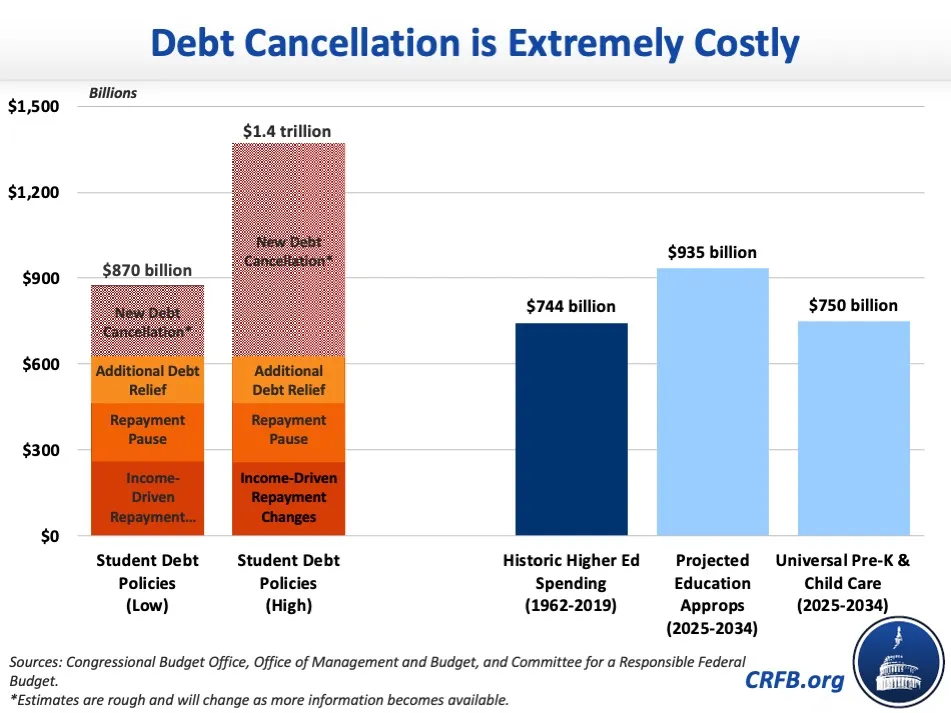
With these plans, nonprofit firms work out with financial institutions to decrease rate of interest, frequently dropping them to single digits from the 20-plus percent typical on credit score cards. Late costs and over-limit costs generally get waived for enlisted accounts. Consumers make single month-to-month repayments to the counseling agency, which disperses funds to financial institutions according to bargained terms.
Plans normally cover three to five years, with average conclusion around 40 months according to sector data. Unlike debt mercy, customers settle their complete principal, protecting credit scores more successfully while still achieving meaningful cost savings via interest decrease.
Certification requires showing capability to preserve settlements throughout the strategy term. Accounts have to usually be shut upon enrollment, protecting against additional billing while solving existing balances. This trade-off in between credit scores access and financial obligation resolution stands for a crucial factor to consider for consumers considering alternatives.
Red Flags and Warning Signs in the red Relief
The financial debt alleviation sector regrettably brings in predatory operators along with legit nonprofits. Recognizing indication assists consumers avoid solutions that might intensify their situations.
Ahead of time costs prior to services render represent a significant warning. Federal guidelines prohibit debt settlement business from billing charges till efficiently bargaining settlements and obtaining a minimum of one settlement toward the cleared up amount. Companies asking for significant payments prior to showing outcomes most likely violate these securities.
Assurances of certain savings percentages or guarantees to eliminate financial obligation entirely ought to trigger suspicion. Reputable therapists acknowledge that financial institution engagement varies and outcomes rely on individual conditions. No firm can ensure lender cooperation or particular negotiation amounts.
Recommendations to quit paying financial institutions while collecting funds for negotiation produces considerable risk. This technique, typical among for-profit negotiation companies, generates added late costs, rate of interest costs, and potential lawsuits while damaging credit history better. Nonprofit companies generally prevent this method.
Pressure methods, limited-time offers, or unwillingness to offer written info concerning costs and solutions recommend bothersome drivers. Credible nonprofits provide detailed explanations, solution inquiries patiently, and allow customers time to make enlightened decisions.
Tax Obligation Implications of Forgiven Financial Obligation
Consumers pursuing financial debt forgiveness must comprehend potential tax obligation repercussions. Under federal tax obligation law, forgiven financial debt amounts going beyond $600 commonly comprise taxed earnings. Financial institutions report these quantities to the internal revenue service using Type 1099-C, and consumers need to report them on annual tax obligation returns.
For somebody clearing up $30,000 in debt for $15,000, the forgiven $15,000 could raise taxable income substantially, possibly creating unforeseen tax obligation liability. Consulting with tax specialists before enrolling in forgiveness programs aids consumers plan for these commitments.
Specific exemptions exist, including bankruptcy stipulations for customers whose obligations went beyond possessions at the time of forgiveness. Bankruptcy-discharged financial obligation also receives different treatment. These complexities enhance the worth of specialist advice throughout the financial debt resolution procedure.
Deciding: Which Course Forward
Picking in between financial obligation mercy, financial obligation administration strategies, and bankruptcy calls for truthful evaluation of individual circumstances. Numerous inquiries assist this analysis.
Can you keep organized settlements over 3 to 5 years? If yes, financial obligation management plans maintain credit scores while decreasing prices. If repayment ability is severely limited, mercy programs or bankruptcy may verify a lot more ideal.
Exactly how overdue are your accounts? Financial debt forgiveness commonly needs considerable misbehavior, making it improper for customers current on repayments who merely want relief from high rates of interest.
What are your long-term monetary objectives? Personal bankruptcy continues to be on credit history records for 7 to 10 years, while cleared up accounts influence scores for shorter periods. Customers preparing major purchases like homes within numerous years might choose alternatives with less long lasting credit report results.
Most not-for-profit firms supply cost-free preliminary assessments, allowing exploration of alternatives without dedication. Benefiting from these sessions with numerous carriers assists customers understand readily available courses and make educated options about which company and program best fits their needs.
The Course Towards Financial Recuperation
Frustrating financial obligation produces anxiety prolonging far beyond financial issues, affecting health and wellness, connections, and top quality of life. Recognizing available alternatives represents the essential primary step towards resolution and eventual healing.
Not-for-profit credit history therapy companies provide organized paths towards debt alleviation, whether with monitoring plans minimizing rate of interest while preserving complete payment, mercy programs settling financial debts for less than owed, or insolvency counseling leading consumers through lawful discharge processes.
Success requires straightforward economic evaluation, cautious service provider analysis, and commitment to whatever resolution plan arises. The journey from monetary situation to stability takes some time, however countless consumers have actually navigated it successfully with suitable professional support.
Empowering Communities: The Impact of Financial Education Programs : APFSCFor those currently struggling under financial obligation concerns, resources exist to assist. The obstacle exists not in locating assistance however in discovering the appropriate support, appropriately matched to private situations and objectives. That matching process, carried out thoughtfully with information gathered from multiple resources, produces the structure for lasting financial recovery.

Table of Contents
- – The Expanding Demand for Debt Relief Solutions
- – Comprehending Exactly How Financial Obligation...
- – Personal Bankruptcy Counseling: Called For Act...
- – Contrasting Nonprofit Companies: What Differen...
- – Financial Debt Administration Program: The Hap...
- – Red Flags and Warning Signs in the red Relief
- – Tax Obligation Implications of Forgiven Financ...
- – Deciding: Which Course Forward
- – The Course Towards Financial Recuperation
Latest Posts

Everything about "How APFSC Helps Veterans Manage Debt Destroys Your Life" Exposed
The Best Guide To True Experiences of Doctor Loan Consolidation Guide: Best Strategies to Cut Payments Fast Users
Not known Facts About Developing Your Path to Relief
More
Latest Posts
Everything about "How APFSC Helps Veterans Manage Debt Destroys Your Life" Exposed
The Best Guide To True Experiences of Doctor Loan Consolidation Guide: Best Strategies to Cut Payments Fast Users
Not known Facts About Developing Your Path to Relief